

The Importance of Slip Resistance in Industrial Workspaces
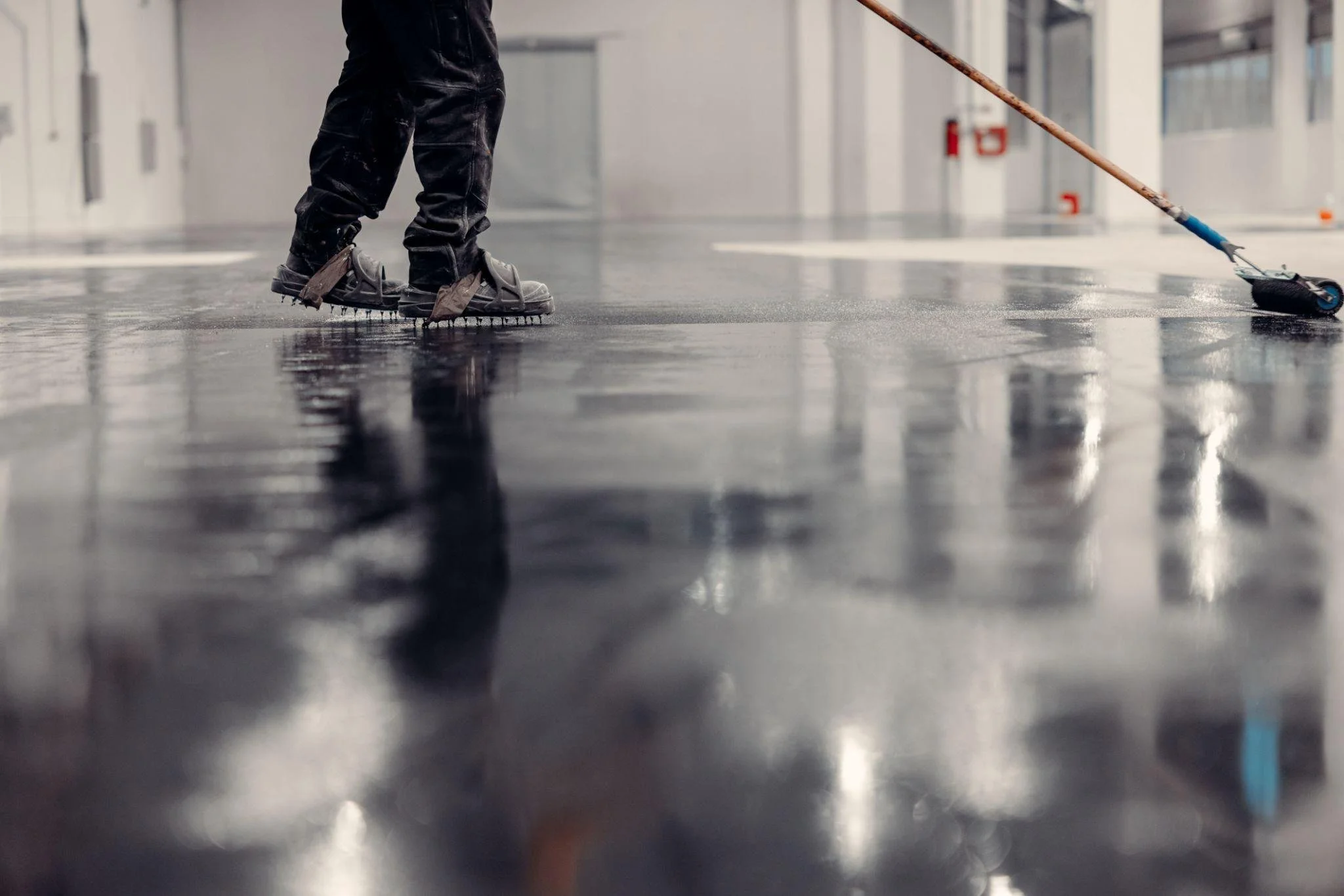
Industrial workspaces are designed for productivity, efficiency, and durability. Warehouses, manufacturing plants, distribution centers, food processing facilities, aircraft hangars, and automotive shops all rely on flooring systems capable of handling heavy traffic, equipment, chemicals, and demanding working conditions. However, one of the most important — and sometimes overlooked — aspects of industrial flooring is slip resistance.
Slippery floors create serious safety risks in industrial environments. A single slip-and-fall accident can lead to injuries, lost productivity, equipment damage, workers’ compensation claims, and costly liability issues. In facilities where employees are constantly moving around machinery, forklifts, tools, and hazardous materials, maintaining proper floor traction is essential.
Slip resistance is not simply a convenience or an optional upgrade. It is a critical part of workplace safety and long-term facility management.
Industrial Floors Face Constant Hazards
Industrial workspaces are exposed to conditions that naturally increase the risk of slipping.
Unlike standard office environments, industrial facilities often deal with:
Water
Oil
Grease
Chemicals
Dust
Metal shavings
Dirt and debris
Cleaning solutions
Condensation
Heavy traffic
These contaminants can quickly accumulate on flooring surfaces and create dangerous walking conditions if the floor is not properly protected and maintained.
Even small amounts of moisture or residue can dramatically reduce traction, especially on smooth or worn concrete surfaces.
Slip-and-Fall Accidents Are More Serious in Industrial Environments
Slip-and-fall accidents are dangerous in any setting, but industrial environments introduce additional risks because of the surrounding equipment and work conditions.
A fall in a warehouse or manufacturing facility may involve:
Forklifts
Machinery
Sharp tools
Elevated platforms
Heavy materials
Moving equipment
Injuries can range from minor strains to severe accidents involving broken bones, head injuries, or long-term disability.
Beyond the human impact, workplace injuries can also result in:
Lost productivity
Increased insurance costs
Workers’ compensation claims
OSHA concerns
Legal liability
Equipment damage
Operational downtime
Reducing slip hazards is one of the most effective ways to improve workplace safety and reduce long-term operational risk.
Bare Concrete Can Become Extremely Slippery
Many industrial facilities rely on bare concrete floors because they are durable and cost-effective. However, bare concrete often becomes slippery under industrial conditions.
Concrete surfaces may become hazardous due to:
Moisture buildup
Oil absorption
Surface polishing from traffic
Dust accumulation
Chemical spills
Worn sealers
Over time, repeated equipment traffic can gradually smooth the concrete surface and reduce natural traction.
In facilities where liquids or oils are frequently present, bare concrete can quickly become unsafe without additional protective measures.
Protective Coatings Can Improve Slip Resistance
One of the major benefits of professional industrial flooring systems is the ability to improve floor traction while still maintaining durability and cleanability.
Modern coating systems can incorporate:
Anti-slip aggregates
Textured finishes
Specialized traction additives
Custom surface profiles
These features help create safer walking surfaces without sacrificing performance.
Slip-resistant coatings are commonly used in:
Manufacturing facilities
Food processing plants
Commercial kitchens
Automotive shops
Aircraft hangars
Warehouses
Chemical processing facilities
The right balance between traction and cleanability depends on the specific environment and type of work being performed.
Different Industries Have Different Slip Resistance Needs
Not all industrial workspaces require the same flooring solution.
For example:
Food processing facilities may require aggressive slip resistance due to constant moisture exposure
Warehouses may prioritize forklift durability and moderate traction
Automotive shops often need resistance to oils and chemicals
Aircraft hangars require heavy-load durability and fluid resistance
Manufacturing plants may need chemical-resistant textured coatings
Choosing the correct flooring system involves evaluating:
Traffic patterns
Equipment use
Moisture exposure
Cleaning procedures
Chemical exposure
Safety requirements
Professional flooring specialists help determine the appropriate level of slip resistance for each facility.
Floor Maintenance Directly Impacts Safety
Even high-quality flooring systems can become unsafe without proper maintenance.
Over time, floors may accumulate:
Oil residue
Dirt buildup
Dust
Worn coatings
Moisture contamination
Improper cleaning products can also leave slippery residue behind, increasing hazards instead of reducing them.
Routine maintenance helps preserve:
Surface traction
Protective coatings
Visibility of hazards
Overall floor performance
Regular inspections and preventative maintenance are essential for maintaining long-term workplace safety.
Slip Resistance Supports OSHA and Workplace Safety Goals
Industrial businesses are increasingly focused on workplace safety programs and OSHA compliance.
Floor safety plays an important role in these efforts because slips, trips, and falls remain one of the leading causes of workplace injuries across many industries.
Investing in slip-resistant flooring demonstrates a proactive approach to:
Employee safety
Risk reduction
Facility maintenance
Operational responsibility
Safer floors also contribute to improved employee confidence and a more professional work environment overall.
Appearance and Professionalism Still Matter
While industrial flooring is primarily functional, appearance still matters.
Clean, professionally maintained floors create a better impression for:
Employees
Customers
Vendors
Inspectors
Clients
Visitors
Slip-resistant flooring systems can still maintain an attractive and professional appearance while delivering the durability and traction industrial environments require.
Modern coating systems are available in a variety of:
Colors
Finishes
Textures
Decorative flake systems
Industrial-grade coatings
This allows facilities to balance safety, durability, and appearance all at once.
Long-Term Protection for Industrial Facilities
Slip-resistant flooring systems do more than improve safety. They also help protect concrete surfaces from:
Abrasion
Moisture intrusion
Chemical exposure
Surface wear
Premature deterioration
By protecting the underlying concrete, professional coating systems help extend floor lifespan and reduce long-term maintenance costs.
At Concrete Protective Solutions, industrial flooring systems are designed to help businesses create safer, more durable, and more reliable work environments.
From anti-slip coatings to high-performance industrial flooring systems, proper floor protection helps facilities improve safety while protecting one of their most important long-term investments — the concrete floor itself.
