

Residential Garage Epoxy: What Homeowners Should Know Before Choosing a Coating
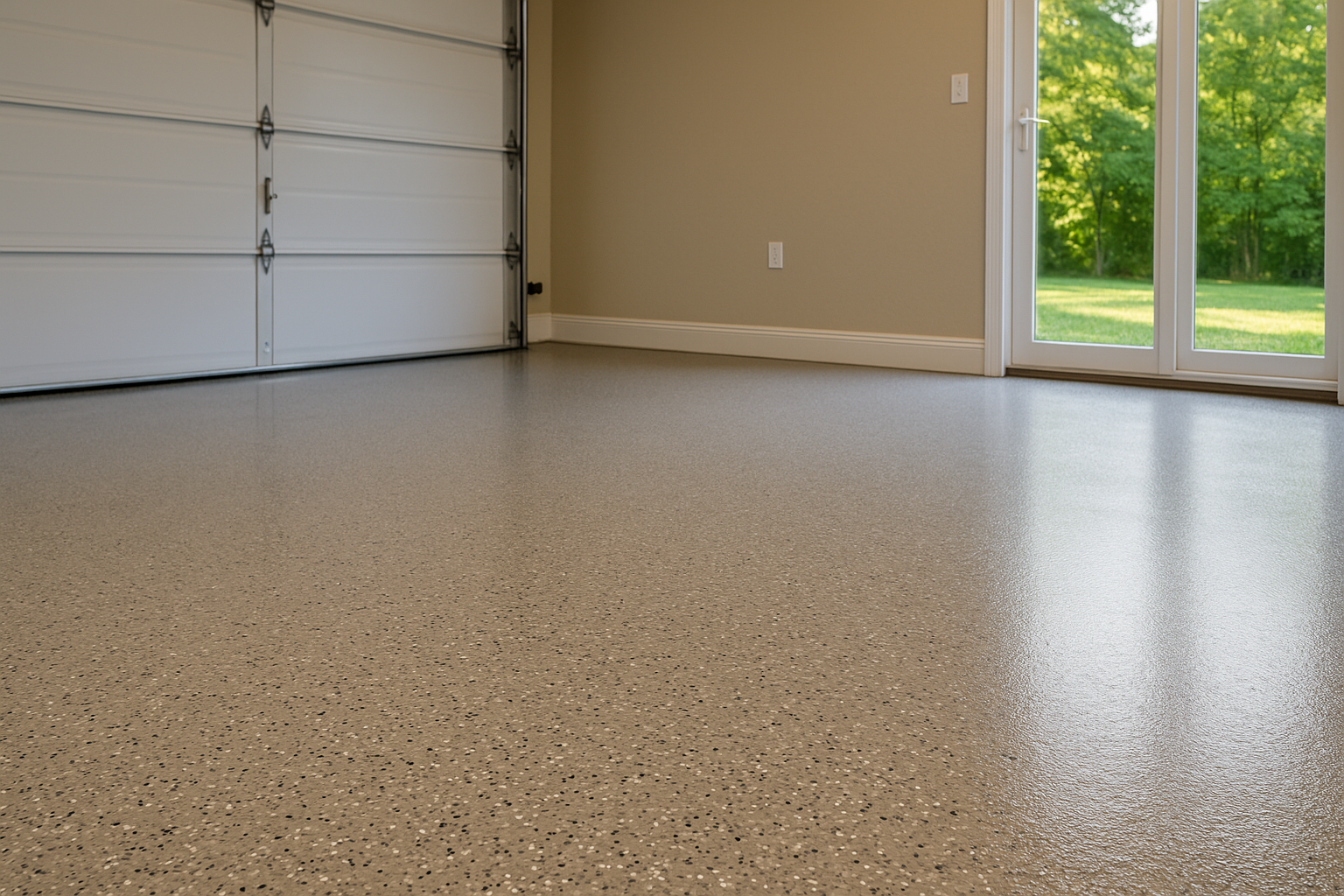
For many homeowners, the garage is more than a storage area or a place to park the car. It’s a workshop, a home gym, a hobby space, or an entry point into the house. Because of this, the look and performance of the garage floor matter more than most people realize. Bare concrete tends to stain easily, create dust, and deteriorate over time — especially in the Pacific Northwest where moisture and temperature swings are common. That’s why epoxy garage flooring has become one of the most popular upgrades for residential properties.
Before committing to a coating, though, it’s important to understand what epoxy can do, what it can’t do, and how to make sure you get a floor that lasts. A garage coating isn’t just a paint job — it’s a high-performance system that depends heavily on proper preparation, material selection, and installation quality.
Why Homeowners Choose Epoxy for Their Garage Floors
Epoxy’s appeal comes from its combination of durability, appearance, and low maintenance. Once installed, a professional epoxy system creates a seamless, stain-resistant surface that looks dramatically cleaner than bare concrete. It brightens the space, reduces dust, and adds a sense of polish that makes the garage feel like a finished part of the home instead of an afterthought.
Homeowners frequently choose epoxy for benefits such as:
Better resistance to oil, chemicals, and spills
Easier cleaning and maintenance
Improved traction and safety
Long-term durability compared to paint or DIY coatings
A more attractive and organized appearance
It’s a proven upgrade that enhances both the aesthetic and practical use of the garage — often becoming one of the most noticeable improvements made to a home.
Epoxy vs. DIY Kits: Why They’re Not the Same
A common misconception is that store-bought epoxy kits are comparable to professional installations. While the packaging may suggest an easy weekend transformation, the reality is that DIY coatings often fail within months. That’s because true epoxy flooring depends on surface preparation, a step most DIY kits simply can’t replicate.
Professional installations involve mechanical grinding, moisture testing, crack repair, and the use of industrial-grade materials that bond far more effectively to the concrete. DIY kits typically rely on:
Acid etching instead of grinding
Thin layers of low-solids epoxy
Minimal crack or joint repair
Limited chemical and abrasion resistance
These shortcuts lead to peeling, bubbling, discoloration, and rapid wear. Homeowners often end up paying twice—once for the DIY attempt, and again for a professional system to remove and replace it.
Understanding the Different Coating Options
While “epoxy flooring” is a common term, garage coatings actually come in several different systems. The best choice depends on how you use your garage, your climate, and your long-term expectations.
Most residential garages can choose from:
High-build epoxy systems: Durable, chemical-resistant, and ideal for general use.
Epoxy with polyurethane or polyaspartic topcoats: Adds UV stability, improved scratch resistance, and longer life.
Full flake broadcast systems: Highly decorative and extremely slip-resistant, with excellent durability.
Moisture-mitigating systems: Designed for garages where moisture vapor is a concern — common in the Northwest.
Each system has strengths, and a professional installer can help determine which one matches your specific environment.
Moisture: The Hidden Factor That Can Make or Break a Garage Floor
In the Pacific Northwest, moisture vapor coming up from the ground is one of the leading causes of coating failure. Even concrete that looks dry may be releasing vapor that prevents epoxy from bonding correctly. Without proper moisture testing, homeowners risk delamination, bubbling, or staining shortly after installation.
Professional installers conduct vapor emission tests and ensure the coating system is compatible with the slab conditions. Where necessary, moisture-mitigating primers or specialized epoxy systems are used to create a stable base. This is one of the biggest reasons professional installation matters — the garage environment itself must be evaluated before any coating goes down.
Design Options That Elevate the Garage Space
Epoxy isn’t just about protection — it’s also a design upgrade. Many homeowners are surprised by how customizable the finished surface can be. Options range from clean, solid-color coatings to full flake systems that resemble granite or quartz.
Common design features include:
Multi-color decorative flakes
Gloss, satin, or matte topcoats
Metallic epoxy finishes for a high-end look
Subtle natural tones or bold, modern colors
These options allow homeowners to tailor the space to match their personal style or the aesthetic of the home.
Long-Term Maintenance and Durability
Once installed, epoxy garage floors require very little maintenance. Routine sweeping and periodic mopping are usually all that’s needed to keep the surface looking new. Because the coating creates a sealed, non-porous finish, oil and chemical spills don’t penetrate the surface and can be wiped away easily.
With proper care and a professionally applied topcoat, residential epoxy floors can last many years — far longer than paint or thin DIY systems. In homes where the garage is used heavily for projects, workouts, or storage, this durability becomes especially valuable.
Why Professional Installation Matters
A successful epoxy garage floor is the result of correct preparation, skillful application, and the right materials. Every slab is different, and a professional installer evaluates factors such as concrete hardness, moisture, structural condition, and usage patterns before choosing a system.
At Concrete Protective Solutions, each residential garage project begins with a detailed assessment and grinding preparation process. Cracks are repaired, weak areas are rebuilt, and professional-grade primers, build coats, and topcoats are applied in sequence. The result is a floor that not only looks exceptional but performs reliably for years.
A Smart Investment for Your Home
For homeowners seeking a clean, durable, and attractive garage floor, epoxy is one of the most impactful upgrades available. It enhances the look of the space, protects the concrete from long-term damage, and makes the garage more usable and enjoyable.
Choosing the right system — and the right installer — ensures the coating delivers the performance and longevity it’s designed for. With the proper installation, a garage epoxy floor becomes an investment that improves function, appearance, and home value all at once.
