

5 Common Causes of Concrete Damage—and How to Prevent Them
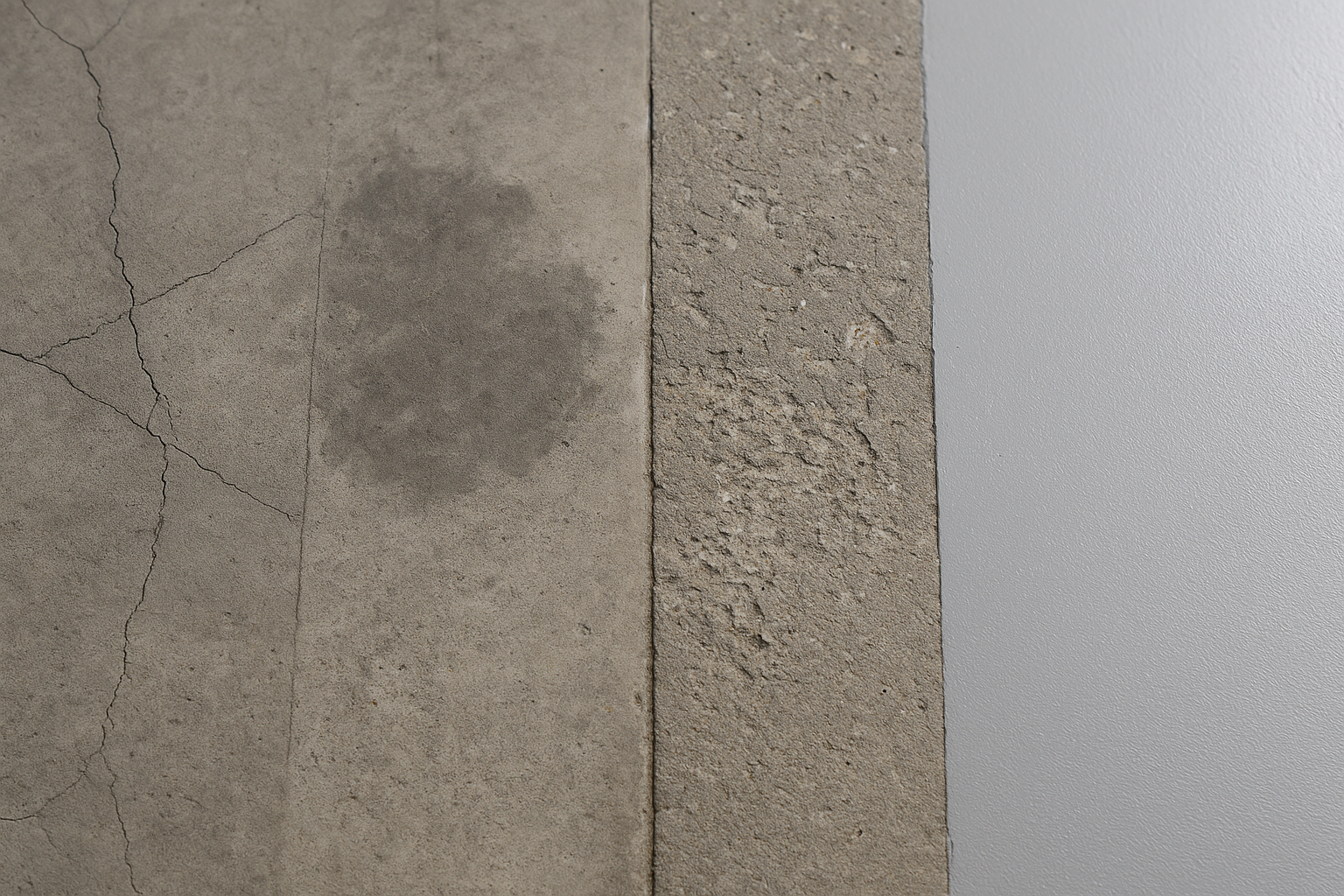
Concrete is one of the most widely used materials in the world. It forms the foundation of warehouses, factories, garages, and countless commercial buildings across the Pacific Northwest. But despite its reputation for durability, concrete isn’t invincible. Over time, even the best-laid slab can crack, flake, or deteriorate—especially without proper protection.
At Concrete Protective Solutions, we’ve seen nearly every kind of concrete damage imaginable. From water intrusion to chemical corrosion, the good news is that most damage can be prevented with the right surface treatment and maintenance strategy. Here are the five most common causes of concrete damage—and how to keep them from cutting short the life of your floors.
1. Moisture Intrusion
Moisture is one of the most persistent enemies of concrete. Because concrete is porous, water naturally seeps through its surface and evaporates upward. When left unsealed, this vapor movement can cause efflorescence (white stains), delamination, or even complete coating failure.
Prevention:
Seal your concrete with a vapor-permeable or moisture-blocking coating to prevent water from penetrating the surface. Urethane polymer cement (UPC) coatings are particularly effective because they tolerate moisture while maintaining adhesion. For facilities in rainy climates like Portland, moisture control isn’t optional—it’s essential.
2. Chemical Corrosion
Factories, breweries, and food processing facilities frequently expose concrete floors to acids, oils, detergents, and cleaning solutions. These substances can react with calcium hydroxide in the concrete, leading to softening, staining, or surface erosion.
Prevention:
Install a chemical-resistant flooring system designed for your facility’s environment. Epoxy and urethane coatings form a protective barrier against caustic materials. For extreme conditions, urethane polymer cement provides unmatched protection from harsh cleaners and thermal shock.
3. Freeze-Thaw Cycling
In climates that experience freezing temperatures, concrete can absorb moisture that expands when it freezes. The result? Cracks, scaling, and spalling. Even interior slabs can suffer from freeze-thaw damage if exposed to fluctuating temperatures or high humidity.
Prevention:
Applying a high-quality sealer or protective coating minimizes moisture absorption and prevents freeze-thaw deterioration. In outdoor areas such as loading docks or exterior walkways, maintaining proper drainage and slope also helps reduce standing water that can freeze and expand.
4. Heavy Mechanical Stress
Concrete floors in industrial settings often endure forklift traffic, dropped tools, and heavy machinery vibrations. Over time, repeated impact and abrasion can cause surface wear, cracks, or structural fatigue—especially if the floor wasn’t originally designed for such loads.
Prevention:
For high-traffic areas, use an industrial-grade floor coating with high compressive and tensile strength. Systems like urethane polymer cement or epoxy mortar toppings can dramatically extend the life of your slab. Periodic inspection and resurfacing can help prevent minor cracks from turning into major structural problems.
5. Poor Installation or Surface Preparation
Even the most advanced coating system will fail if it’s applied over improperly prepared concrete. Dust, oil, or existing coatings can interfere with adhesion, leading to peeling or bubbling. Similarly, pouring concrete without proper curing or moisture testing sets the stage for long-term issues.
Prevention:
Work with experienced professionals who understand the science of surface preparation. At Concrete Protective Solutions, our team uses diamond grinding and shot blasting to ensure optimal adhesion. We also perform moisture vapor and pH testing to verify that your concrete is ready for coating.
How to Protect Your Concrete Investment
Every concrete floor has its own challenges. A brewery floor faces constant washdowns and heat fluctuations. A warehouse might battle forklift abrasion. A food plant must meet strict sanitation requirements. But they all share one truth: without protection, concrete will eventually fail.
By identifying the specific risks your facility faces, you can choose the right coating or mitigation strategy to maximize durability and safety. At Concrete Protective Solutions, we specialize in assessing your facility’s needs and recommending the most effective long-term protection system.
Why Choose Concrete Protective Solutions?
Our team brings years of hands-on experience protecting commercial and industrial concrete floors throughout the Pacific Northwest. We use industry-leading materials and proven application techniques to deliver results that stand the test of time—backed by expert installation and ongoing support.
Whether you need a full moisture mitigation system, chemical-resistant coating, or complete flooring overhaul, we’re here to help.
